

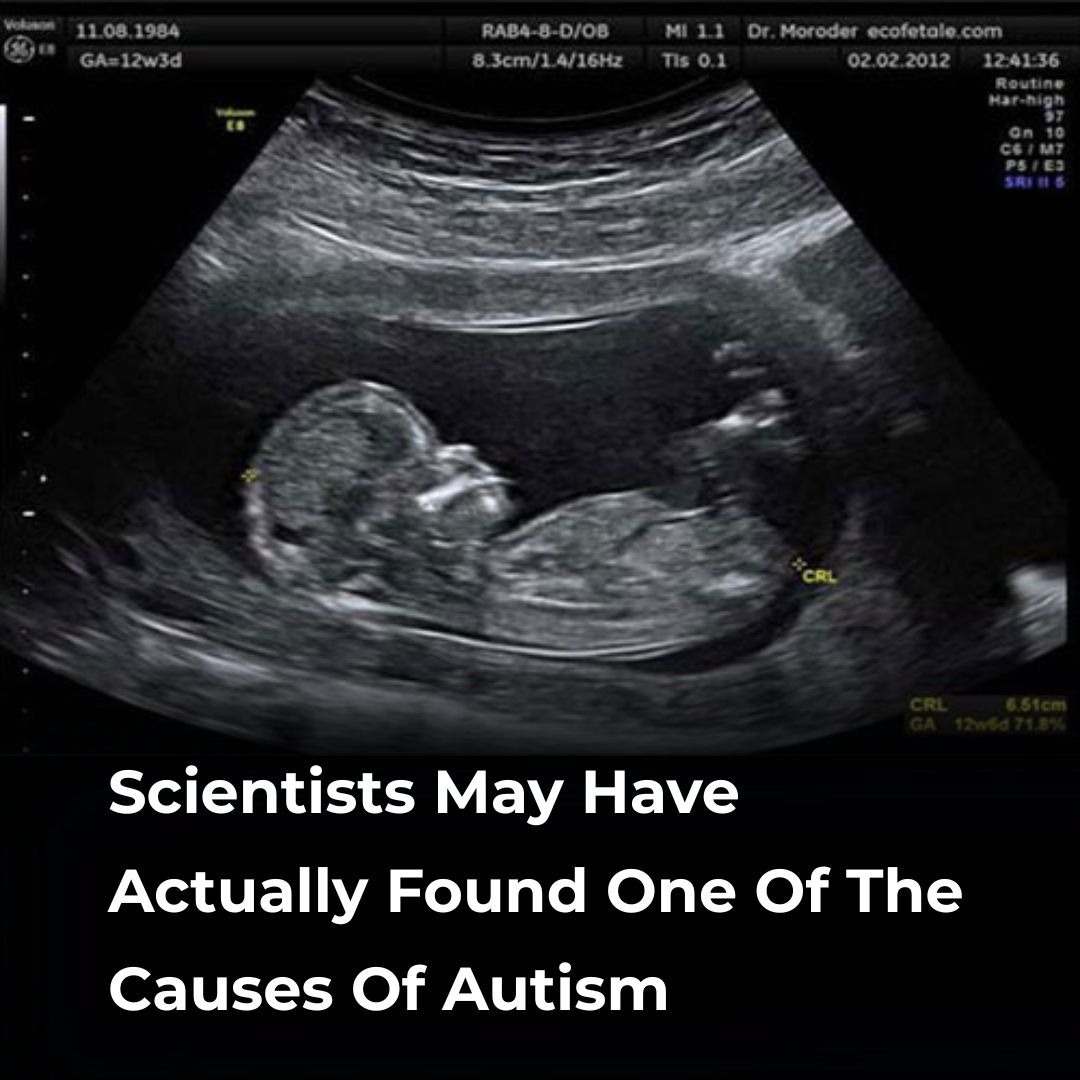
Recent research has made significant strides in understanding autism spectrum disorder (ASD), but it’s crucial to clarify: autism is not caused by a single factor. Instead, science points to a combination of genetic, biological, and environmental influences that affect early brain development.
Here’s what current evidence actually shows—and why oversimplified claims can be misleading or harmful.
 What Science Has Discovered
1. Strong Genetic Basis
- Hundreds of genes are linked to ASD, many involved in brain connectivity, neuron communication, and synaptic function.
- If one identical twin has autism, the other has a 60–90% chance of also being on the spectrum—highlighting heritability.
- However, no single “autism gene” exists—it’s a complex interplay of common and rare variants.
2. Prenatal Environmental Influences
Certain factors during pregnancy may increase risk in genetically predisposed individuals:
- Advanced parental age (especially paternal)
- Maternal illness (e.g., rubella, severe infections)
- Premature birth or low birth weight
- Exposure to certain medications (e.g., valproic acid)
Important: These are risk factors, not direct causes—and most children exposed to them do not develop autism.
3. Brain Development Differences
Neuroimaging shows that autistic brains often develop differently in early childhood—particularly in areas governing:
- Social communication
- Sensory processing
- Repetitive behaviors
These differences begin before birth and unfold over time.
Despite persistent myths, rigorous scientific studies have ruled out:
- Vaccines (including MMR)—confirmed by dozens of large-scale studies across multiple countries
- Parenting style (“refrigerator mothers”)—a discredited theory from the 1950s
- Sugar, screen time, or diet (though nutrition supports overall health)
 Why This Matters
Autism is a neurodevelopmental variation, not a disease to be “cured.” Many autistic adults advocate for acceptance, support, and accommodations—not prevention based on fear.
Early intervention (like speech or occupational therapy) can help children thrive, but the goal should be enabling well-being, not eliminating neurodiversity.
 The Bottom Line
Autism arises from a complex mix of inherited traits and early developmental influences—not one single cause.
Rather than searching for a “smoking gun,” science is moving toward understanding how diverse biological pathways lead to the spectrum of autistic traits—so support can be personalized and respectful.
If you’re concerned about a child’s development, talk to a pediatrician—but remember: an autism diagnosis is not a tragedy. It’s a different way of experiencing the world.


0 commentaires:
Enregistrer un commentaire